World Water Day 2024
Living in Sydney Australia we have water on tap.
Fresh water to drink. Clean water to cook with. Even fresh clean drinking water to flush the toilet.
And, if we don’t, we have great plumbers like The Lone Drainer and Pronto to find out why, and return the status quo.

If you didn’t know, March 22nd 2024 is World Water Day. Its a day to consider the billions of people worldwide who have never had potable water dispensed from a tap.
So, how does that affect you dear reader? Well it doesn’t!
Unless we are to venture to parts of Asia, Africa and some parts of Australia and the Americas and the oceans in between us for exotic getaways where the local residents just don’t have fresh water to use the way that we do.
There are several things we can do to draw attention to the plight of those who don’t have access to fresh drinking water:
- Share information: Spread the word about the global water crisis by sharing information about it with your friends, family, and social media networks. Raise awareness about the issue and the impact it has on people’s lives.
- Support organizations: There are many organizations that work to provide clean water to people in need. Consider supporting these organizations by making a donation or volunteering your time to help with their efforts.
- Advocate for change: Write to your local representatives and urge them to support policies that prioritize access to clean water. Use your voice to advocate for change and push for action on this critical issue.
- Reduce your own water consumption: By conserving water in your daily life, you can help reduce the demand for freshwater resources and lessen the strain on those who don’t have access to it.
- Take action on World Water Day: Participate in events and activities that are organized around World Water Day to draw attention to the issue and show your support for those who are affected by the global water crisis.
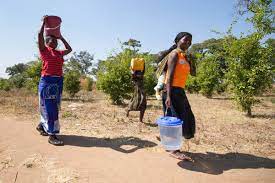
By working together to raise awareness about the issue of water scarcity, we can help ensure that everyone has access to this basic human right.
Love your Plumber on World Plumbing Day 2024
G’day, it’s The Lone Drainer and Pronto here to tell you why World Plumbing Day, Monday March 11th 2024, is worth celebrating!
Take a quick look behind the scenes at our Coogee plumbing HeadQuarters to see how we celebrate every day.
It can be a lot of fun showing up for our clients daily.
We prepare ourselves and our equipment and load up materials before coming out to see you at your home or business.
But, you won’t see us giving Plunger a rubdown, sweeping the floors, making everything spic and span.
Checking on all our high-pressure drain cleaning equipment to see it’s in tip-top condition to easily fix your blocked drains.
We’ve got drain cleaning equipment for every situation.
You won’t see us reviewing footage from the inside of your sewerage pipes to find out precisely what’s going on, or working on some entertaining and educational blog posts just like this, our specialty.
We bring a variety of parts to fix your taps and toilets, and what we don’t have, we’ll get pretty quickly. You won’t see us stacking mountains of toilet paper, just in case you need it.
We bring loads of equipment to the job, just for you, and when we show up at your place, you won’t know we’ve come from our plumbing HQ here in Melody Street, Coogee.
P.S. Take another minute and watch a few scenes from The Cutting Room
But seriously, plumbing is an often forgotten, but critical component of our modern society that many people take for granted. Plumbing allows us to access clean water, safely dispose of waste water, and maintain hygiene and sanitation in our homes, workplaces, and public spaces. Without plumbing, our daily lives would be much more difficult and unhygienic.
Secondly, World Plumbing Day provides an opportunity to raise awareness about the importance of plumbing and the role that plumbers play in maintaining public health and safety. It’s a chance to recognize the hard work and dedication of plumbers, who often work in challenging conditions to ensure that your plumbing systems are working properly.
Finally, World Plumbing Day is an occasion to promote sustainable plumbing practices and technologies that can help conserve water, reduce energy usage, and minimize environmental impact. As plumbers, we have a responsibility to ensure that our work is not only effective but also sustainable and environmentally friendly.
So, let’s raise a toast on World Plumbing Day and all the great plumbers out there who keep your plumbing systems running smoothly and our communities healthy and safe!
And, as we say in Australia, “‘ave a good one”!
Flexible Water Connections and Insurance claims.
G’day, Sydney homeowners! It’s The Lone Drainer and Pronto here, back with a crucial message that could save you from unexpected financial setbacks. We’ve been plumbing superheroes for years, and today we’re here to talk about a growing issue – home insurance claims being denied due to a lack of periodic plumbing checks on braided stainless steel hoses.
You might be thinking, “What’s the fuss about insurance claims and plumbing checks?” Well, let us break it down for you.

In recent times, we’ve seen an alarming trend in the insurance industry, with some companies rejecting water damage claims because homeowners haven’t had licensed plumbers carry out periodic checks on these braided stainless steel hoses. It’s becoming a ticking time bomb for homeowners, and here’s why you should take it seriously:
- Insurance Denials: If your plumbing hasn’t been regularly inspected by a licensed plumber, your home insurance provider may use that as a reason to deny your claim in the event of water damage. That means you’ll be left to cover the expenses out of your own pocket.
- Preventable Disasters: Bursting hoses are a leading cause of water damage in homes. Periodic checks by licensed professionals can identify weak hoses before they burst, preventing potential disasters and costly repairs.
- Safety and Peace of Mind: Regular plumbing checks not only safeguard your home but also ensure your family’s safety. Water damage can lead to health hazards like mold and mildew, which pose risks to your loved ones. Knowing your plumbing is in good shape brings peace of mind.
So, what can you do to avoid these insurance claim rejections and protect your home and family?
- Schedule Regular Plumbing Checks: Ensure you have a licensed plumber inspect your flexible water connections periodically. This simple step can save you from potential financial losses.
- Document the Inspections: Keep records of these inspections, including the plumber’s report, to provide proof to your insurance company in case of a claim.
- Stay Proactive: Don’t wait until a disaster strikes. Regular maintenance and checks can prevent costly plumbing emergencies.
At The Lone Drainer and Pronto, we understand the importance of periodic plumbing checks. Our licensed professionals are ready to help you safeguard your home and keep your insurance claims secure. Don’t let your hard-earned money slip away due to a technicality – be proactive and ensure your plumbing is in top-notch condition. We’re here to assist you every step of the way!
Flexible Water Connections need maintenance
G’day again, folks! After our earlier post about the hidden danger of flexis, The Lone Drainer and Pronto are back, and this time we want to emphasize that we’ve got your back when it comes to all things plumbing in Sydney, especially those tricky flexible water connections.
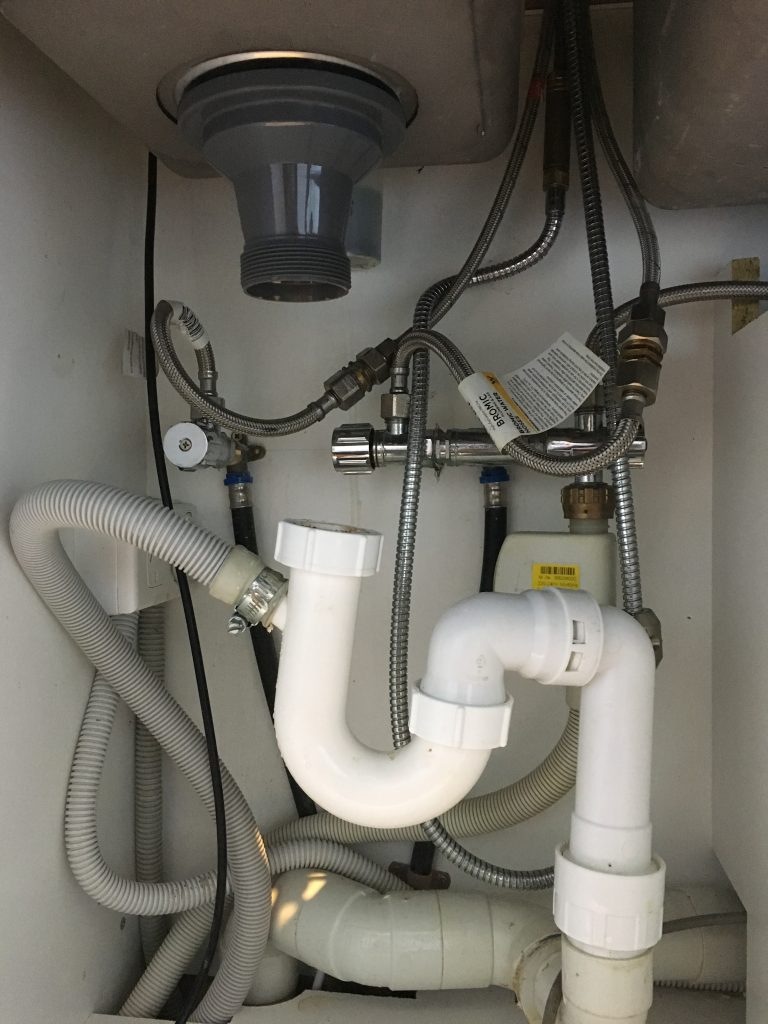
We understand that it’s easy to overlook the maintenance of your plumbing components until it’s too late. That’s why we’re here to offer our expertise and services to ensure your plumbing system stays in tip-top shape.
Our experienced team is well-versed in dealing with flexible water connections and the potential risks they pose. Here’s why we should be your go-to plumbers in Sydney:
- Expert Inspection: We conduct thorough inspections of your plumbing system, including flexible water connections, to identify any signs of wear and tear. This proactive approach allows us to catch potential issues before they become catastrophic.
- Timely Repairs and Replacements: If we find any issues, we provide quick and reliable repair or replacement of the hoses. Our team only uses high-quality, durable components, ensuring that your plumbing is built to last.
- Preventive Maintenance: We offer regular maintenance services to keep your plumbing in top-notch condition, reducing the risk of unexpected plumbing emergencies.
- Emergency Services: We’re here 24/7 to handle any plumbing emergencies, so you can rest easy knowing that we’re just a phone call away when you need us the most.
When it comes to flexible water connections, don’t take any chances. Let the Lone Drainer and Pronto be your plumbing heroes, keeping your Sydney home safe from potential disasters.
Contact us today on 02 9664 4990 for all your plumbing needs, and remember – we’re always here to save the day!
 You might not think about them often, but those little hoses are like ticking time bombs waiting to go off. They’re commonly used in modern plumbing, connecting your taps, toilets, and appliances to the water supply. Over time, they can become a major source of plumbing disasters.
51 Reasons to Love Your Plumber

Last week we made another blood donation at the LifeBlood mobile donor caravan at Coogee Oval.
During a few moments of contemplation while some of the good stuff was taken from my left arm, I had this realisation.
Its nearly September 30th 2023, and with the Australian summer and the Christmas holiday season and the end of the year only 92 days away, here’s 50 more reasons to love your plumber:
- Punctuality: They respect your time by arriving on schedule.
- Friendly Demeanor: A pleasant attitude makes interactions more enjoyable.
- Professionalism: Plumbers conduct themselves with professionalism in all dealings.
- Accountability: They take responsibility for their work and any issues that arise.
- Communication: Good plumbers communicate clearly and effectively.
- Accessibility: You can easily reach them when you need assistance.
- Emergency Preparedness: Plumbers are equipped to handle urgent situations.
- Efficiency: They work quickly without sacrificing quality.
- Upfront Pricing: Many plumbers provide cost estimates before starting work.
- Experience with Older Homes: We’re skilled in working with older plumbing systems.
- Thorough Inspections: Plumbers inspect your plumbing system thoroughly to identify hidden issues.
- Innovative Solutions: They offer creative solutions to unique plumbing challenges.
- Flexibility in Scheduling: Accommodating your schedule is a priority.
- Friendly Advice: Plumbers give helpful tips for maintaining your plumbing.
- Transparent Billing: Clear invoices break down the cost of services.
- Courteousness: They treat your home with respect and politeness.
- Clean Appearance: A professional appearance instills confidence. Could need a haircut.
- Availability for Questions: We’re happy to answer your plumbing-related queries.
- Waste Removal: Proper disposal of old parts and waste is their responsibility.
- Quality Materials: They use high-quality materials for repairs and installations.
- Flexible Payment Options: Some plumbers offer payment plans or financing.
- Licensed and Certified: Qualified plumbers have the necessary licenses and certifications.
- Hassle-Free Repairs: We’ll handle all aspects of the repair process.
- Adherence to Safety Standards: Safety is a top priority on the job.
- Respect for Your Property: Plumbers take precautions to avoid damage during work.
- Protection for Your Flooring: They use protective coverings to keep your floors clean.
- Genuine Care: Good plumbers genuinely care about your plumbing issues.
- Problem Diagnosis: They accurately diagnose the root causes of plumbing problems.
- Longevity of Repairs: Repairs are done to last, saving you money over time.
- Insurance Claims Assistance: We can help with insurance claims for plumbing-related damage.
- Energy Efficiency Tips: Plumbers provide advice on reducing energy consumption.
- Dependability: You can rely on them for consistent quality work.
- Customization: Tailored solutions to meet your specific needs.
- Water Pressure Optimization: We ensure your water pressure is just right.
- Versatility: Plumbers handle a wide range of plumbing problems.
- Accessibility Features: They can install accessible plumbing fixtures if needed.
- Aesthetics: Attention to detail in installations for an aesthetically pleasing result.
- Project Management: Coordinating the multiple aspects of some plumbing projects.
- Prepared for Unforeseen Issues: They’re ready for unexpected challenges.
- Emergency Prevention: Plumbers help prevent plumbing emergencies.
- Eco-Friendly Practices: Some plumbers focus on green plumbing solutions.
- Prompt Response to Inquiries: Quick responses to your calls or messages.
- Family-Owned Businesses: Supporting local, family-owned plumbing businesses.
- Community Involvement: Some plumbers do unseen work in the community.
- Clear Documentation: Detailed records of services provided.
- Consistency in Quality: Reliable service you can count on.
- Follow-Up Services: We check in after service to ensure everything is working correctly.
- Custom Maintenance Plans: We can give tailored plans for ongoing plumbing care.
- Warranty Fulfillment: Honoring warranties for their work.
- Peace of Mind: Ultimately, they provide peace of mind knowing your plumbing needs are in capable hands.
Any great plumber is a valued part of your household, offering expertise, reliability, and peace of mind for all your plumbing stuff. They’ll even carry your groceries in from the car
So next time you need to call a plumber……..
Roll your toilet paper from the bottom
In every plumbing situation there are options, and how you roll your toilet paper is no exception.
In a previous post, Roll Your Own Toilet Paper we presented the case for having your toilet paper rolling from the top however, Is upside down the right way up?
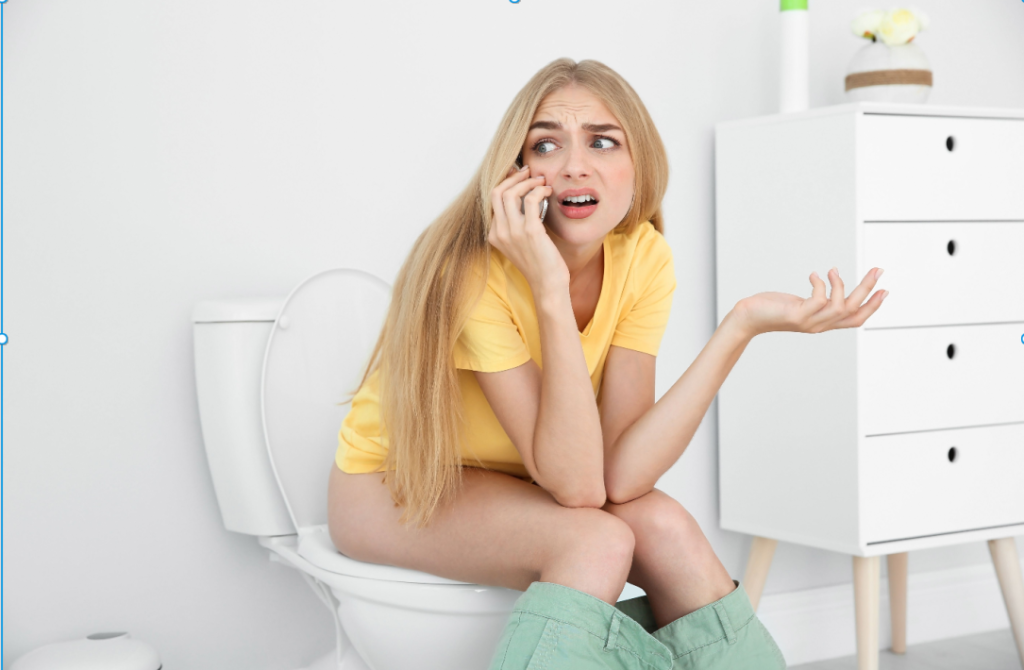
As we observe during our bathroom travels some people choose to roll their toilet paper from the bottom due to their personal preferences or habits. Here are a few reasons why some individuals may prefer that orientation:
- Aesthetics: Some individuals find that rolling the toilet paper from the bottom creates a tidier appearance. They believe that the loose end of the roll is less visible and tucked away when hanging behind the roll, which they perceive as visually appealing.
- Habit or Tradition: Rolling the toilet paper from the bottom may be a habit or preference that people have grown accustomed to over time. It could be influenced by the way they were taught or observed others using it in their households or public restrooms.
- Pets or Children: In households with curious pets or small children, rolling the toilet paper from the bottom may be done intentionally. The idea is that it makes it more difficult for pets or children to easily unravel the entire roll by swatting at it or pulling on the loose end.
- Space Constraints: In some bathrooms, the toilet paper holder may be located close to a wall or other fixtures, leaving limited space for the roll. Rolling the toilet paper from the bottom can help prevent the roll from extending too far and potentially hitting the wall or obstructing nearby items.
- Personal Convenience: While rolling from the top is often considered more convenient, some individuals may find it easier to tear off the desired amount of toilet paper when it rolls from the bottom. This preference could be due to the direction in which they naturally pull or the way they position their hand for tearing.
It’s important to note that these reasons are subjective and may not apply to everyone. Ultimately, the choice of how to roll the toilet paper comes down to personal preference and individual habits.
Waddya reckon?

If you need to stock up on Toilet Paper we have supplies of Who Gives a Crap at our Coogee office.
Ode to The Lone Drainer and Pronto
There once was a drain that was blocked, and its contents left me quite shocked.
But fear not my friend, we have tools to amend, our Rattlesnake will leave your drains clear.
With a flick of the wrist and a twist, the Rattlesnake is in the abyss,
As it wriggles and writhes, and the blockage soon dies, leaving your drains as clean as if kissed.
So if you’re in a fix, with a drain that plays tricks, don’t hesitate, cause it’s a NO Brainer,
With our service online, we’ll have your drains cleaned on time, Three cheers for Sydney’s Lone Drainer.
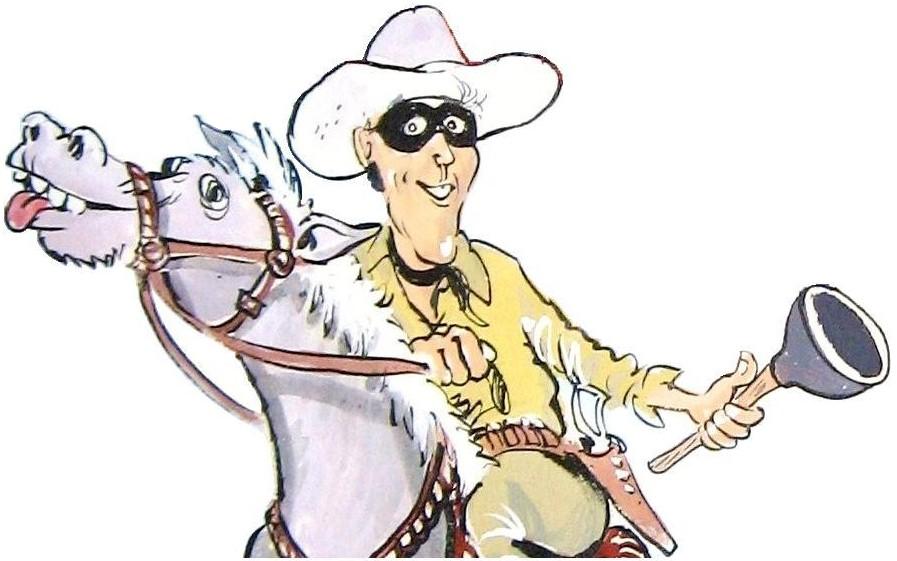
Should plumber’s give free quotes?
Some plumbers provide free quotes. Many don’t!
For simple jobs a plumber can usually give you a rough estimate over the phone if you provide enough accurate information that may include suitable images of the works and the site. However, more complicated projects usually need a site inspection and sometimes exploratory surgery if you want a realistic quote.

A great plumber will blend technology and experience to give you a quote complete with site pics and designs to include in the proposal but, that comes at a cost. That same plumber, unless he is waiting on information from another tradie like a landscaper or electrician, should get his quote to you the same or next day.
Any plumber that asks you for a quote fee know their stuff from years of experience.
Just like a consultation with your surgeon to plan and discuss your procedure before you go “under the knife”. It comes at a price.
I’ve paid for that experience. It was money well spent.
If your plumber charges for a quote, you’re more likely to get a professional and well considered opinion for your problem and he should offer a number of alternatives to suit your home and your budget. Quite often your plumber will deduct the quote fee from the price of the job; so effectively you end up with a free quote.
Plumbers are real people too and we get quotes for projects on our own homes and gardens, cars and boats, pets and holidays, and occasionally the quote is more than we expected.
I’ll usually ask questions and discuss the task with the professional providing the service.
With a better understanding of “what” and “why” the quote is so, I can ask for recommendations and if necessary, scale back the project without compromising my home. Then, depending on my budget, I’d undertake the entire project or just a part of it.

Interestingly, the internet has made us all experts in many fields. I reckon you get what you pay for!
How to Stop Snakes in a drain!
On a recent trip to balmy Townsville, North Queensland our Saturday night movie screening on a friends verandah was interrupted when another guest saw a three metre python moving on the roof next door. Said serpent was moving towards the open windows of the neighbours first floor bedroom! Our hostess declared intermission, paused the movie and contacted the neighbours to close their bedroom windows.

The other movie-goers, Queenslanders, shrugged, took a sip of their XXXX and declared “Thats Townsville!”
This cowboy immediately found it difficult to focus on the french sub-titles and only think about how I could prevent pythons from getting in my North Queensland friends storm water pipes.
By the time the movie had ended I came up with a few simple ways to prevent pythons from entering your North Queensland storm water pipes:
- Install wire mesh or grates: Fit wire mesh or grates over the openings of your storm water pipes. Use a mesh with small openings to prevent snakes from slithering through. Make sure the mesh or grates are securely fastened to prevent any gaps.
- Seal pipe joints and cracks: Inspect your storm water pipes for any gaps, cracks, or loose joints. Snakes can squeeze through surprisingly small openings, so seal these gaps using appropriate materials like silicone sealant or concrete patching compound.
- Regularly maintain and clear vegetation: Remove any overgrown vegetation or debris around your property, particularly near the storm water pipes. Pythons are attracted to areas with ample hiding spots, so keeping the area clear reduces their habitat and discourages them from approaching.
- Consider snake repellents: Some commercially available snake repellents emit odors that snakes find unpleasant. Consult with a local expert or snake control professional to determine if such repellents are effective and suitable for your situation.
- Monitor and remove potential snake magnets: Snakes are often attracted to food sources, like small animals or rats and mice. Take steps to control rodent populations around your property, such as securing garbage bins and removing potential food sources.
- Educate yourself and your neighbours: Learn about the types of snakes in your area, their habits, and their preferred habitats. Share this knowledge with others in your community to raise awareness and promote snake-safe practices.
- Consult a local snake expert: Reach out to local wildlife or snake experts who have experience dealing with snakes in your specific region. They can provide valuable advice and guidance tailored to your location.
Remember, it’s important to handle snakes with caution and avoid direct confrontation. If you encounter a snake or suspect an infestation, contact the local wildlife authorities or snake control professionals for assistance and advice.
Use Toilet Paper NOT Tissues
We are regularly asked to clear blocked toilets and drains that are often caused by products that are Not meant to flush down our toilets that drain to our sewer pipes.
This 1:17min YouTube clip gives a very simple demonstration on why you should only use toilet paper.
Sanitary Napkins, Tampons, Condoms, Baby Wipes, Flushable Wipes, Cotton Buds? The answer is NO!
We recommend and supply Who Gives a Crap if you need Toilet Paper.
Because we do! 🙂
If you have a blocked drain, I know a guy!
Three ways to find loose pipes behind drywall
Water hammer is often caused by loose hot and cold water pipes.
Determining the location of those loose pipes in a stud wall can be challenging, but here are three methods that can help.
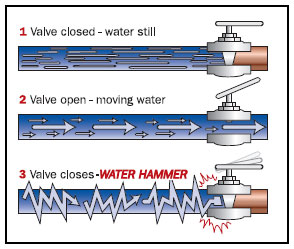
One method is to use a stud finder. A stud finder is a tool that can detect the location of studs, or the framing members, behind the drywall. Pipes are often run along the studs, so by finding the location of the studs, you can also determine the likely location of the pipes.
Another method is to tap on the wall and listen for a dull or hollow sound. Loose pipes will often make a rattling noise when they are tapped, whereas tight pipes will produce a solid sound. This method can be useful for locating the general area where the loose pipe is located.
A third method is to use a number of pipe location tools which are specifically designed to detect the location of pipes within walls. This collection of tools includes an electronic charge running through the pipe that emits a signal that is picked up by a sensor that’s run along the surface of the wall, which can help to locate the position of pipes with reasonable accuracy. Some listening devices can also help.
It’s important to note that it might be difficult to locate the exact spot where the pipe is loose, it’s recommended to hire a professional plumber to help you locate the problem and fix it.
Roll your toilet paper from the top
All of us use the bathroom. And occasionally we want to know what’s going on in other peoples bathrooms.
Bathrooms and toilets are our workplace, and the observations made from bathrooms often go unrecorded. But today, I reckon its time to share some of those observations.
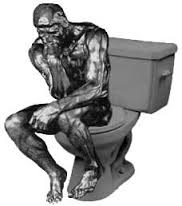
A common theme is how home owners dispense their toilet rolls on the toilet roll holder. (Click here to read about the Australian patent on toilet roll holders.) Some pull their toilet paper from the back of the roll. While others pull from the top. So we carried out a little survey
Here are the top five reasons why people prefer toilet paper to roll from the top:
- Ease of Use: When the toilet paper is positioned with the loose end hanging over the top, it is easier to locate and grab the end of the roll. This makes it more convenient and efficient to tear off the desired amount of toilet paper without any hassle.
- Reduced Risk of Touching the Wall: Rolling the toilet paper from the top helps to minimize the chances of accidentally touching the wall behind it. This is especially important in public restrooms where hygiene is crucial, as touching the wall can transfer germs and bacteria.
- Neat Appearance: Rolling the toilet paper from the top provides a neater and more visually appealing look. The loose end of the roll is neatly presented, making it easier to grab and tear off without causing the roll to unravel or become messy.
- Prevents Unwanted Unraveling: Placing the loose end at the top prevents the roll from unintentionally unraveling. If the end hangs down the back of the roll, it can sometimes get caught on nearby objects or surfaces, causing the paper to unwind and waste.
- Intuitive Orientation: Rolling the toilet paper from the top is considered more intuitive for most people. When reaching for toilet paper, it is more natural to pull it down from the top rather than from behind the roll. This orientation aligns with our instinctive hand movements and provides a smoother user experience.
While your personal preferences may vary, these reasons highlight the practical and aesthetic advantages of rolling toilet paper from the top.
If this post has got you thinking about toilet paper, why not choose Who Gives a Crap for your next shipment. Who Gives a Crap donates half of their profits to developing countries that don’t have plumbing, sewers and the toilets that we take for granted.
Five ways to find water hammer in a stud wall.
In an earlier post we asked, “Do Hot and cold water pipes get water hammer?” Determining the location of loose pipes that cause water hammer in a stud wall can be challenging, as the pipes are typically hidden behind drywall or other wall coverings. However, there are several methods that can be used to locate the problem area:
- Sound: One of the most common ways to locate loose pipes is by listening for the sound of water hammer. This is the banging or knocking sound that occurs when a valve or faucet is quickly closed.
- Visual Inspection: If possible, removing a section of drywall or other wall covering in the area where the sound is heard can reveal the location of the pipes. You can also look for signs of water damage or staining on the wall or ceiling.
- Using a stud finder: A stud finder can be used to locate the studs behind the drywall, which will give you an idea of where the pipes are located.
- Tracer wire: If you have access to the attic or crawl space, you can trace the pipes with a tracer wire, which is a wire that is attached to the pipe and can be followed through the wall.
- Hiring a plumber: If you are unable to locate the problem area or are unsure about the best course of action, it is recommended to consult a plumber, who will have the knowledge and tools to locate the loose pipes and make necessary repairs.
Do deciduous tree roots block drains in winter?
Following on from our previous post, Do tree roots grow in sewer pipes during winter, deciduous trees that shed their leaves during the autumn, generally follow a similar pattern in terms of root growth during winter. However, there are a few additional factors to consider.
Deciduous trees undergo physiological changes in preparation for winter. As the days shorten and temperatures drop, they enter a period of dormancy. During this dormancy phase, metabolic activity slows down, including root growth. Deciduous trees allocate their energy resources towards survival mechanisms and protecting themselves from the cold rather than active growth.
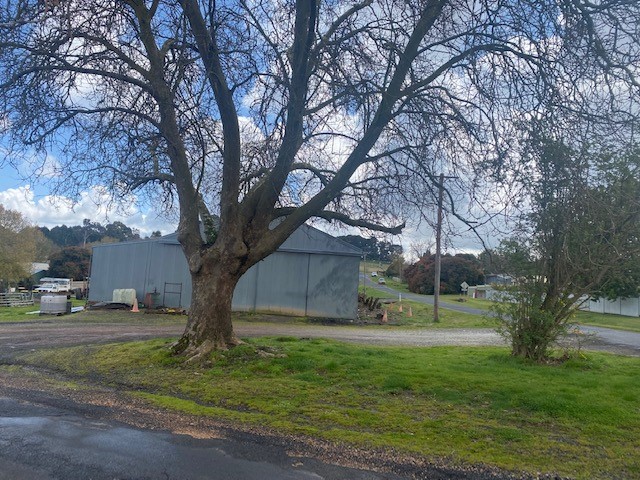
One significant difference with deciduous trees is that they shed their leaves in the autumn. This leaf drop allows the tree to conserve water and energy during winter when resources are limited. Without leaves, the tree doesn’t require as much water and nutrients, reducing the demand on the roots during the dormant period.
While root growth is generally slower or dormant during winter for deciduous trees, some root activity may still occur. Roots continue to function for basic water and nutrient uptake, albeit at a reduced rate compared to the active growing season. According to the arborists I’ve spoken with, the majority of root growth for deciduous trees resumes in the spring, coinciding with the growth of new leaves and the tree’s transition out of dormancy.
So, while there may be slight variations due to leaf drop and dormancy, the overall pattern of reduced root growth during winter applies to both deciduous and evergreen trees.
But remember, tree roots from deciduous trees will still block your drains and if they do, we can help!