
Archives

Hand-Excavated Sewer Repairs in Sydney: How We Fix Broken Pipes Safely & Effectively

When most people hear “sewer repair,” they picture a bloke in a high-vis vest poking at a drain. But a proper sewer repair—done safely, to Australian standard and built to last—takes a lot more planning than you might think.

At The Lone Drainer and Pronto, we recently completed a job that’s a great example of what happens behind the scenes before we even lift a shovel. Here’s a look at the full process, from the first chat with the homeowner to the final clean-up.


1. Before the Digging Begins: Planning, Permissions & Paperwork

You can’t just start chopping up concrete and digging holes in Sydney. There’s a bit of groundwork first.

Initial consultation

We start by meeting the homeowner to understand the problem, the layout of the property, and what they expect from the job. Every home is different, and every sewer line tells a story.

Design and pre-construction planning

Next, we design the repair.
We look at where the old pipes run, what condition they’re in, where we can safely excavate, and how best to tie in the new pipework to the boundary trap and reflux valve. It’s all about getting the fall right and keeping future maintenance in mind.

Project administration

Behind the scenes, there’s a stack of organising to do: paperwork, scheduling, material sourcing, and coordination. If approvals are needed, we handle them too.

Talking to Fair Trading

Some repairs require notifications or clearances from the local authorities. We make sure the job ticks the right regulatory boxes before work begins.


2. Cutting Concrete and Digging Carefully: The Repair Work

This is the part most people see.

Cutting the concrete

We start by saw-cutting the concrete neatly to access the sewer below. A clean cut makes for a cleaner, safer reinstatement later. Read More

How to Keep Your Stormwater Drains Flowing: A Guide for Woollahra and Paddington Homeowners

The last two weeks of torrential rain across Sydney have certainly put our stormwater systems to the test. For homeowners in Woollahra and Paddington, the combination of heavy downpours and the autumn leaf fall from our beautiful tree-lined streets creates the perfect storm for blocked stormwater drains.

Blocked stormwater drains can cause flooding, damage to your property, and even impact your neighbours. The good news? A little bit of maintenance now can save you a whole lot of trouble down the track.

Here’s The Lone Drainer & Pronto’s guide to keeping your stormwater system in top shape this autumn:


🍂 Why Autumn is a Critical Time for Drain Maintenance

Autumn in Sydney’s eastern suburbs means leaves, twigs, and debris everywhere – especially after windy storms. These materials are washed into gutters, downpipes, and stormwater drains, where they can quickly build up. Once a storm hits, blocked drains can cause water to back up and flood your property.


🧰 Simple Steps to Keep Your Stormwater Drains Clear

1️⃣ Check and Clean Gutters and Downpipes

  • After heavy rain or wind, inspect your gutters for leaf litter and debris.

  • Use a safe ladder, or call a professional if your gutters are too high.

  • Make sure your downpipes are clear and directing water into the stormwater system, not spilling onto the ground.

2️⃣ Clear Stormwater Grates and Pits

Read More

Woollahra Council trees are blocking my drains

Many of the blocked drains we attend to are caused by the trees that line the streets managed by Woollahra Council.

At street level, the trees’ canopy brings summer shade and all kinds of birdlife.

Contrary to belief, tree roots don’t go in search of water. They are stimulated as moisture levels, and the surrounding soil temperature reaches a point that is appealing to them.
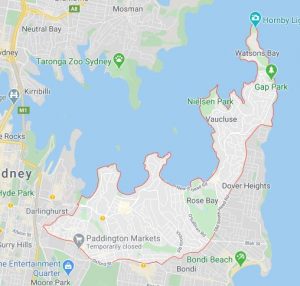
Sydney suburbs managed by Woollahra Council: Bellevue Hill, Darling Point, Double Bay, Edgecliff, Paddington, Point Piper, Rose Bay, Vaucluse

In most circumstances, the tree roots enter through leaking pipe joints and damage the sewer drains and stormwater pipes that take wastewater off your property. Many homeowners hold Woollahra Council responsible for their blockage and expect they will clear their blocked drains for free because the Council own the trees.

Well, in some cases they do!

But, Woollahra Council gets their income from you the ratepayer, and as you would expect, they have guidelines for spending ratepayers money to fix your blocked drains.

If you live in one of the suburbs managed by Woollahra Council, click here to see the Woollahra Council Wastewater Policy.

The top points are that you the homeowner:

Must have a sewer service diagram for your home.
Must maintain your sewer pipes.
Must prevent sewer blockages.
Must prevent sewerage from escaping into the environment.
May be entitled to the Council plumber clearing your blocked drain.